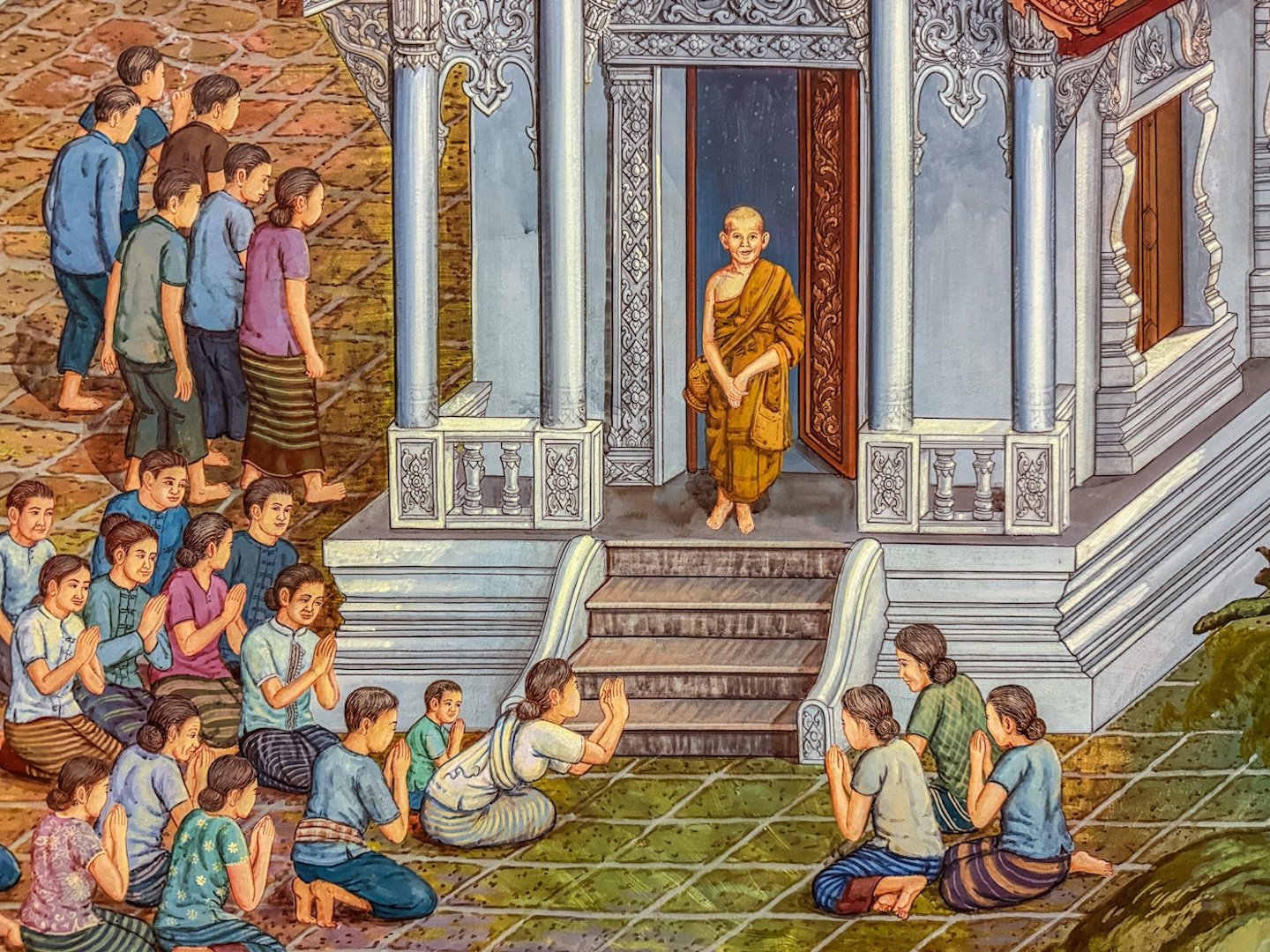
We often see them gliding peacefully through morning mist, alms bowls in hand—the picture of serenity. But behind the silent exterior of a Buddhist monk lies a lifestyle of radical endurance that would break the average person. From fasting 20 hours a day to following an ancient code of 227 strict laws, becoming a monk isn’t a retreat from reality; it’s a voluntary enlistment into one of the world’s most demanding psychological and physical battlefields.
Understanding the Extreme Discipline of Buddhist Monks
While many religious orders focus on community service or missionary work, the life of a Buddhist monk (especially in the Theravada tradition) is a radical pursuit of inner purification through intense self-discipline.
The Code of 227 Precepts (Patimokkha)
Most religions have a dozen or so core commandments. A Buddhist monk, however, must observe 227 rules.
- Micro-Discipline: These rules govern everything from major moral prohibitions to how a monk must sit, walk, and even how they should receive food.
- The Struggle of Mindfulness: It’s not just about “not doing” something; it’s about the mental exhaustion of staying mindful 24/7 to ensure no rule is accidentally broken.
Radical Poverty and “The Alms Bowl.”
Unlike some clerical orders that manage estates or personal salaries, a traditional monk owns nothing.
- The Mendicant Life: They are “Bhikkhus” (literal meaning: “beggar” or “one who lives on alms”). They cannot store food overnight or cook for themselves. If no one puts food in their bowl, they do not eat.
- Financial Celibacy: According to strict Vinaya (discipline), monks are forbidden from handling money. Navigating a modern, digital world without touching a coin or card is a massive practical hardship.
The One-Meal Challenge (Vikalabhokana)
This is often the hardest adjustment for those entering the monkhood:
- Intermittent Fasting to the Extreme: Monks generally eat only one or two meals between dawn and noon. After the sun reaches its zenith, no solid food is allowed until the next day.
- Purpose over Pleasure: Food is viewed as “medicine” to keep the body alive for meditation, not as a source of enjoyment.


“Dhutanga”: The Extreme Asceticism
For those in the “Forest Tradition,” the hardship increases ten-fold through 13 optional ascetic practices:
- Living in the Wild: Sleeping under trees, in caves, or even in cemeteries to confront the fear of death and ghosts.
- The Pamsukula Robe: Historically, monks made robes from rags scavenged from corpses or trash heaps (though today most use donated cloth, the spirit of “non-attachment” remains).
- No Fixed Home: Traveling miles on foot (often barefoot) through harsh terrain to find solitude.
Social and Emotional Detachment
This is perhaps the most painful “unseen” hardship:
- Severing Ties: Upon ordination, a monk legally and spiritually “leaves the world.” They are no longer a son, a brother, or a friend in the worldly sense.
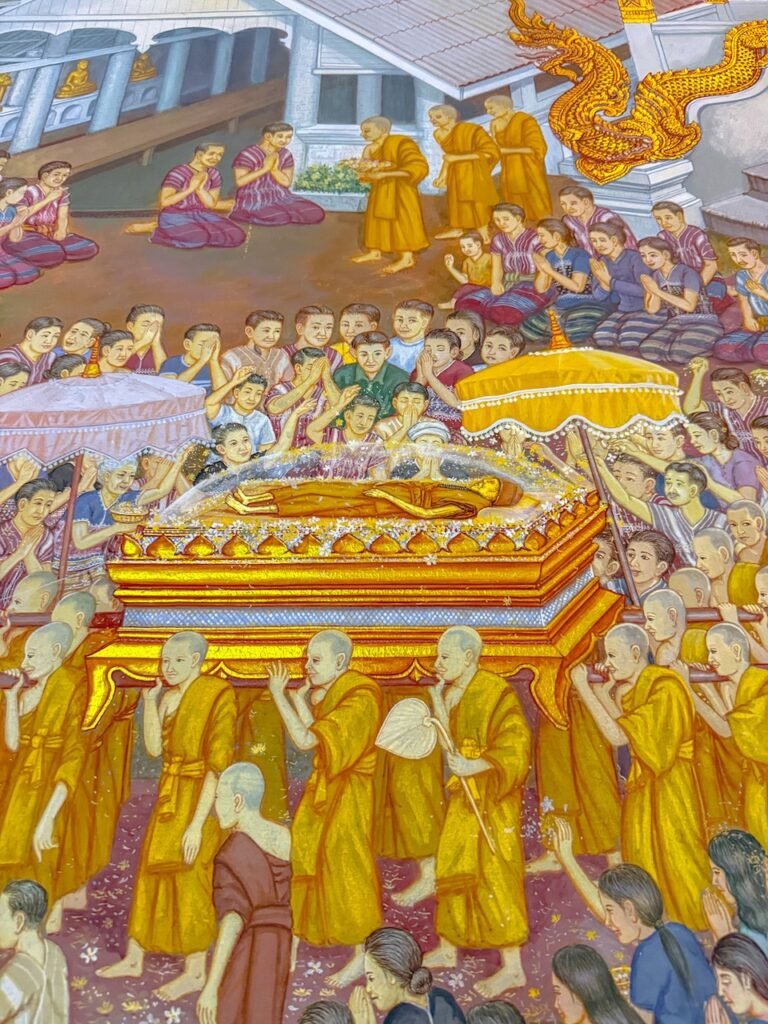
- Emotional Stoicism: Even when faced with the death of a parent, a monk is expected to maintain equanimity and composure, viewing the event through the lens of impermanence rather than personal grief.
Take Away
The life of a monk is not a ‘escape’ from the world’s problems, but a voluntary entry into a battlefield where the only enemy is one’s own ego. It is a life of extreme deprivation designed to find a wealth that money cannot buy.