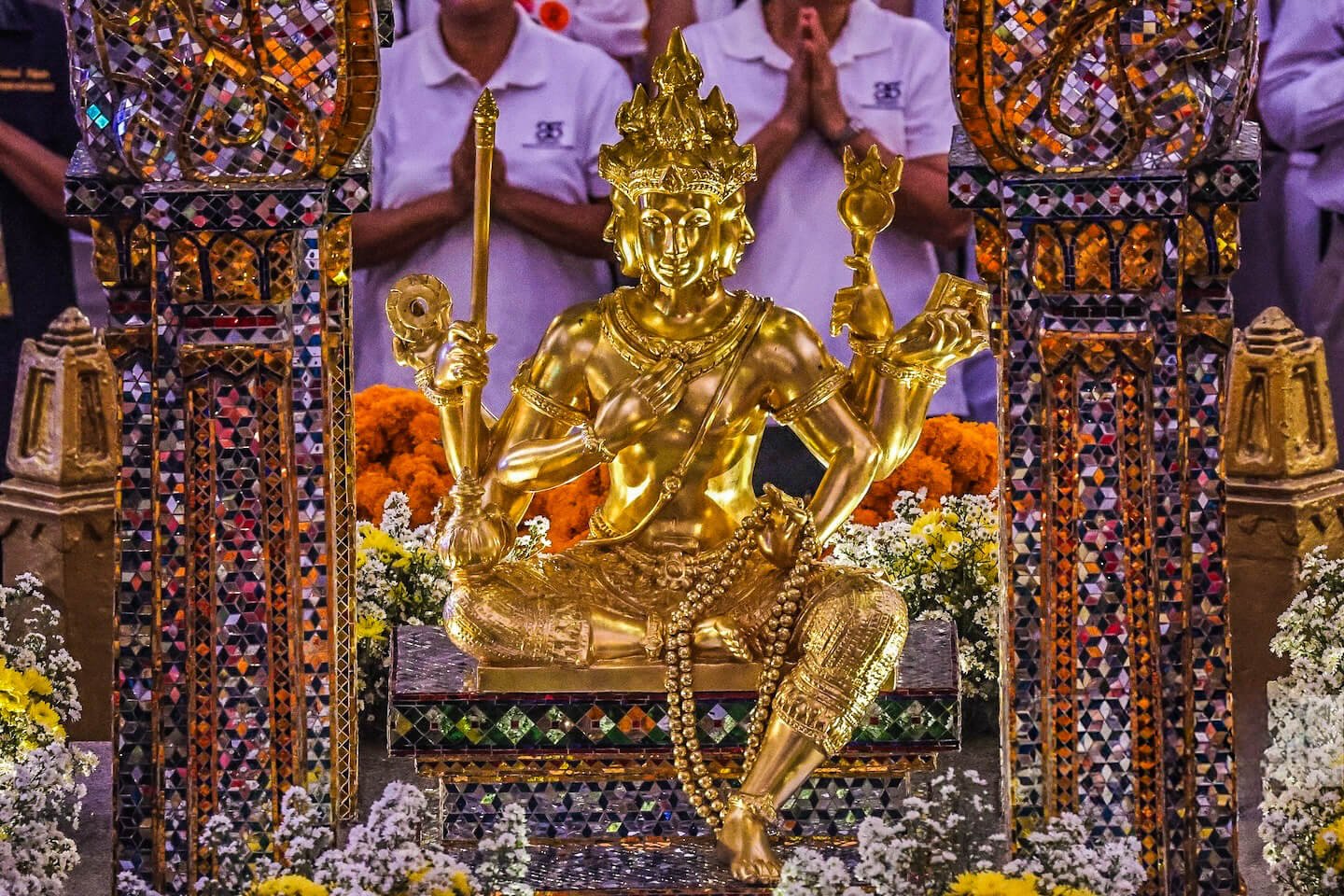
If you walk through Thailand, you’ll notice small, ornate miniature houses perched on pedestals outside homes, businesses, hotels, and even modern shopping malls. These are known as spirit houses (ศาลพระภูมิ – san phra phum), and they are one of the most visible symbols of Thailand’s spiritual traditions. While they may look like decorative shrines at first glance, spirit houses play an important role in the daily lives and belief system of Thai people.
The Belief System Behind Spirit Houses
At the heart of the spirit house tradition is the belief that the land is already inhabited by spirits, known in Thai as phra phum (guardian spirits) or chao thi (lords of the land). Before building on a piece of land, Thais believe it is important to respect and honor these spirits so they will not be disturbed or offended. A spirit house is constructed as an offering — a sacred dwelling where the spirits can reside peacefully, separate from the home or business.
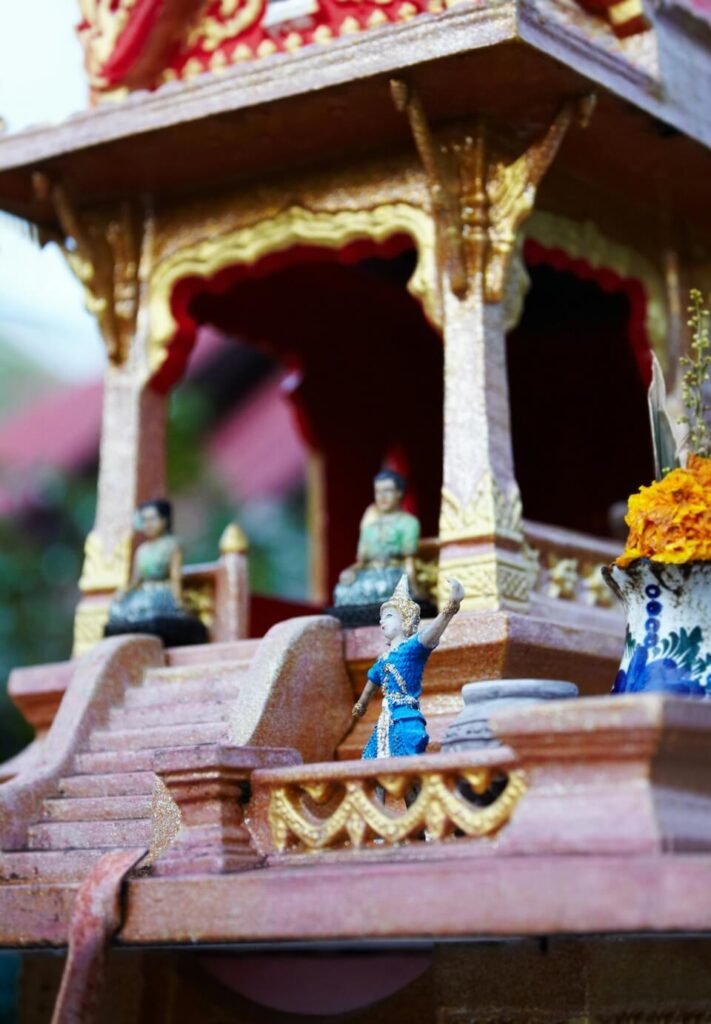
Thais believe that if the spirits are properly honored, they will bring good fortune, protection, and harmony to the people who live or work nearby. If neglected, however, the spirits may cause misfortune, illness, or accidents. To maintain a good relationship, offerings such as flowers, incense, candles, water, fruit, or even miniature figurines (representing servants, animals, or dancers) are placed at the spirit house.
Origins of the Spirit House Tradition
The practice of setting up spirit houses in Thailand has roots in ancient animism, the belief that natural elements and places are inhabited by spirits. Long before Buddhism arrived, the peoples of Southeast Asia practiced animist rituals to honor the land and its unseen forces.
When Brahmanism (Hindu traditions) spread to the region through India, it introduced more structured rituals, astrology, and the role of priests in determining auspicious dates for setting up spirit houses. Later, Theravada Buddhism, which became the dominant religion in Thailand, blended harmoniously with these older beliefs rather than replacing them. Today’s Thai spirit houses are therefore a blend of animist, Hindu, and Buddhist traditions, reflecting the layers of spiritual heritage in Thai culture.
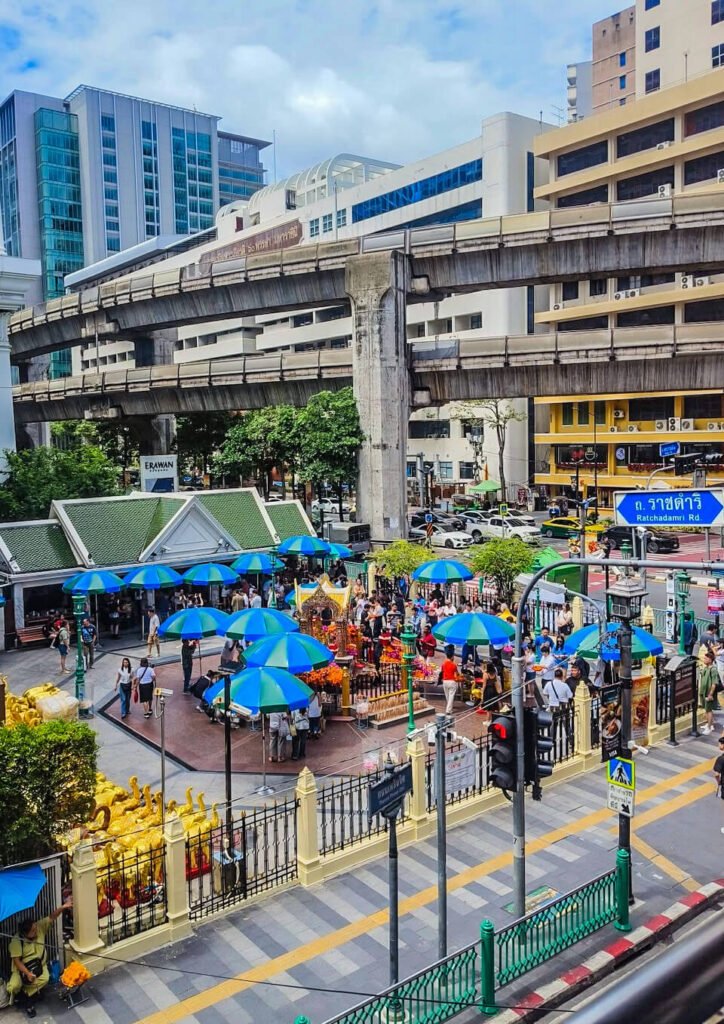
Locals leave offering to keep the spirits happy and bring good fortune.
Varieties of Spirit Houses
There are different types of spirit houses depending on the purpose and the spirits they honor. The most common is the San Phra Phum, dedicated to the guardian spirit of the land. Another type, San Chao Thi, may honor local or ancestral spirits. The design of spirit houses can range from simple wooden structures to elaborate miniature temples with gilded decorations.


Modern Role of Spirit Houses
Even in modern Thailand, spirit houses remain deeply respected. Whether it’s a rural village or a luxury hotel in Bangkok, spirit houses can be seen everywhere. Before opening a new building, a Brahmin priest or Buddhist monk may be invited to perform a blessing ceremony to invite the spirits into their new home.
This practice reflects a central theme in Thai culture: living in harmony with both the physical and spiritual worlds. For many Thais, the presence of a spirit house is not just a tradition but a reassurance of balance, protection, and prosperity in everyday life.
Ancient beliefs with Hindu and Buddhist practices
Offerings at a spirit house are both symbolic and practical, reflecting what spirits are believed to enjoy. Alongside incense and candles, it is common to see fresh flower garlands, bowls of rice, and seasonal fruits placed at the shrine. A particularly recognizable offering in Thailand is the small red bottle of sweet drink — often strawberry-flavored — which has become a modern substitute for traditional blood sacrifices, symbolizing vitality and life force. Some spirit houses are also decorated with miniature figurines such as elephants, horses, or dancers, given as gifts in return for blessings or as entertainment for the spirits. These gestures are acts of respect and gratitude, meant to keep the spirits content and ensure their protection.
What Travelers Should Know
In Thailand, spirit houses (san phra phum) are small shrines found outside homes, businesses, and temples. They are built to honor the guardian spirits of the land, a tradition that blends ancient animist beliefs with Hindu and Buddhist practices. Locals leave offerings such as flower garlands, incense, fruits, and even little red soda bottles to keep the spirits happy and bring good fortune.
For visitors, the best way to show respect is simple: observe quietly, don’t touch the offerings, and avoid standing higher than the shrine if possible. If you’d like to participate, you may light incense or place flowers as locals do, but it’s never required. Taking a moment to admire these shrines gives travelers a glimpse into Thailand’s spiritual heritage and the harmony people seek with the unseen world around them.