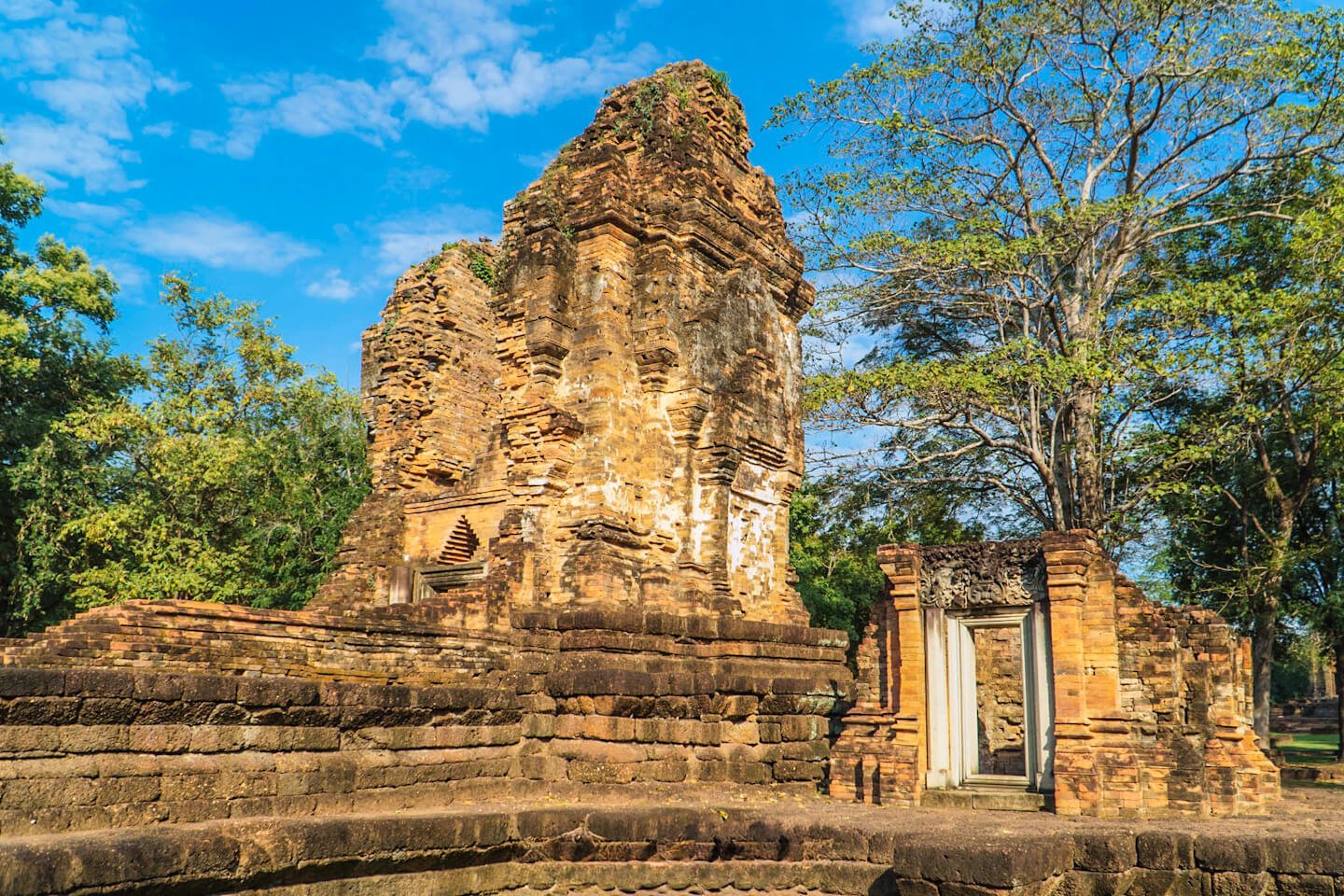
Tucked away in the quiet landscapes of Phetchabun province lies Si Thep Historical Park, a hidden gem that takes visitors on a journey back over a thousand years. Recently recognized as a UNESCO World Heritage Site (2023), this ancient city offers a rare glimpse into the Dvaravati and Khmer civilizations that once flourished in central Thailand.
Although the ruins of Si Thep were long known to locals, they first gained national attention in the early 20th century when Prince Damrong Rachanubhab, the “Father of Thai History,” visited the site. His survey and documentation of the ancient city helped introduce Si Thep to the wider public and laid the foundation for its preservation. Today, his pioneering work is honored as an important step in Thailand’s historical and archaeological research.
As you wander among the ancient structures, you can almost imagine the lively city that once stood here—priests performing rituals, traders exchanging goods, and artisans crafting beautiful works of art.
A City of Two Worlds
Si Thep was once a bustling trade and cultural center, blending influences from India, the Khmer Empire, and local Thai traditions. The city is divided into two main areas:
Inner City – surrounded by moats and walls, this area houses impressive religious monuments, including Khmer-style prangs (towers) and Dvaravati stupas.
Outer City – where remnants of ancient communities, water reservoirs, and smaller temples reveal the daily lives of the people who once lived here.
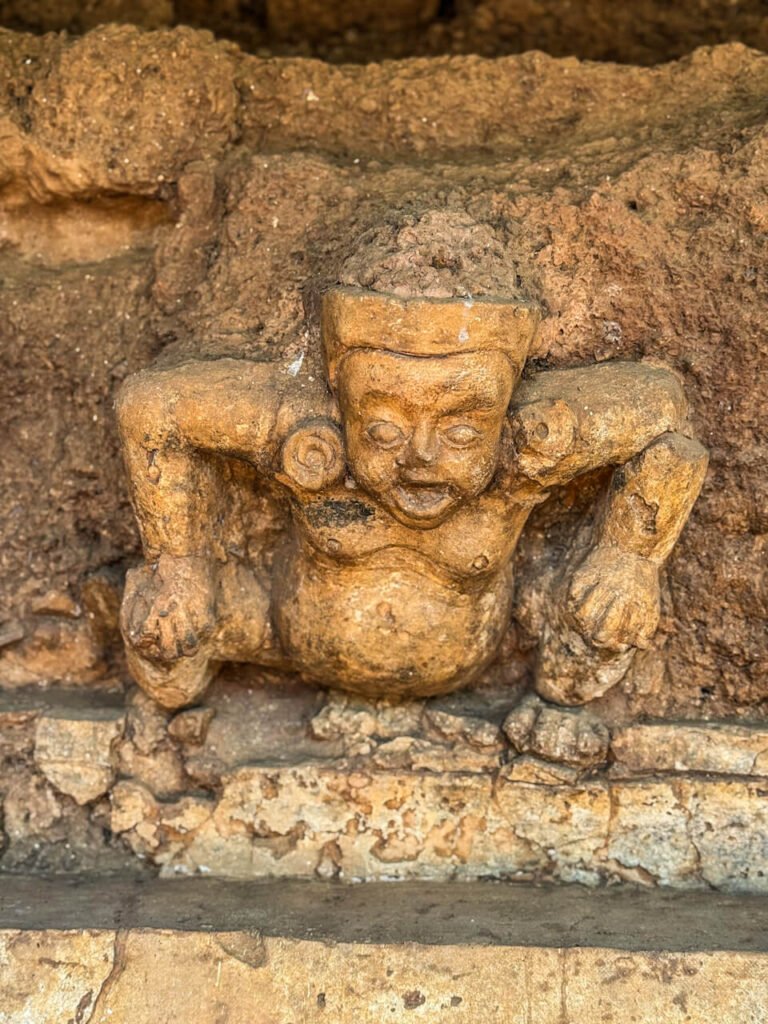
Walking through the park, you’ll find striking ruins such as Prang Si Thep, a towering Khmer-style structure that stands as a symbol of the city’s spiritual heart, and Prang Song Phi Nong, with its mysterious twin towers. Another highlight is Khao Klang Nai and Khao Klang Nok, large laterite and brick monuments thought to be Buddhist sanctuaries, showcasing exquisite ancient stucco designs.
What to See and Do
Explore the Temples and Prangs – Wander through the park’s major monuments and admire their architectural beauty.
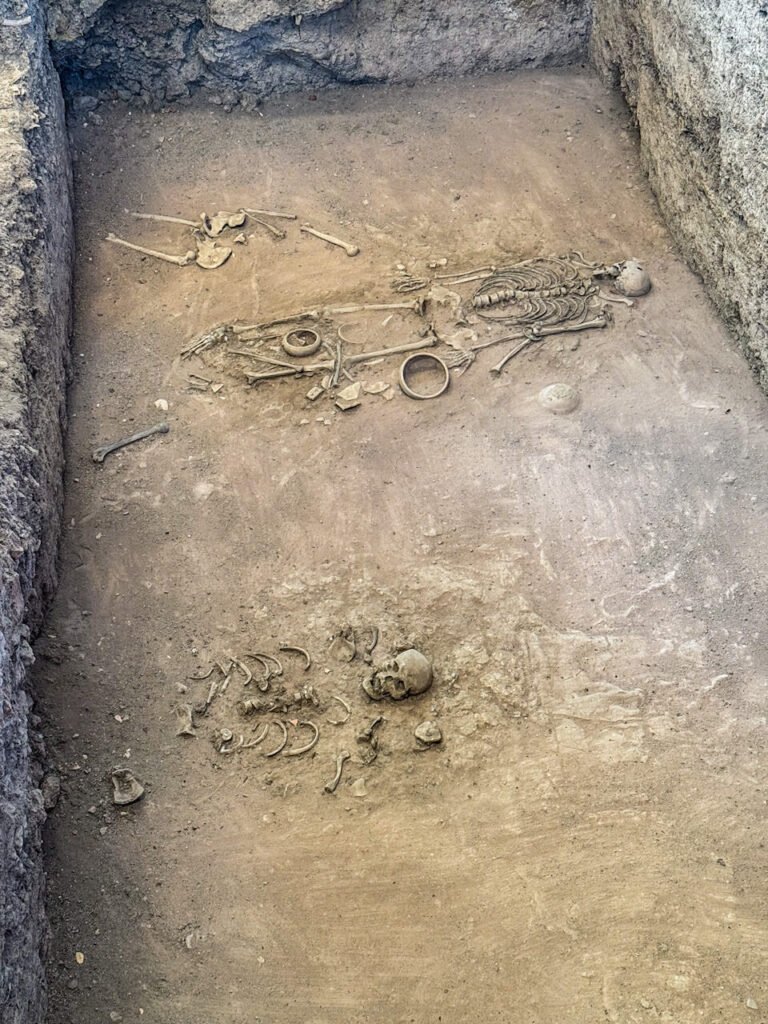
Visit the Museum – Learn more about Si Thep’s history through artifacts and detailed exhibits.
Take a Scenic Walk – The historical park is surrounded by peaceful countryside, perfect for a slow stroll or cycling.
Capture the Atmosphere – The ruins at sunrise or sunset create a magical backdrop for photography.


Archaeologists believe that Si Thep was first settled around the 6th century CE, during the Dvaravati period, making the site well over 1,400 years old. At its height, from the 7th to 11th centuries, it was one of the most influential urban centers in the Chao Phraya River Basin. The city later came under the influence of the expanding Khmer Empire, as reflected in the distinct architectural styles of its prangs and Hindu shrines. Si Thep eventually declined around the 13th century, likely due to shifting trade routes and the rise of nearby powers such as Sukhothai. What remains today is a rare and tangible record of the cultural transition from Dvaravati Buddhism to Khmer Hindu-Buddhist traditions in central Thailand.
A Historical Clarification
The Khmer Empire (also known as the Angkor Empire) was not the “Cambodian Empire” in a modern political sense. It was a historical civilization that existed roughly from the 9th to the 15th century CE, centered in what is now Cambodia, but its territory extended far beyond — into Thailand, Laos, and Vietnam.
So while the Khmer Empire’s heartland was in present-day Cambodia, it was not “Cambodia” as a modern nation-state, because Cambodia didn’t exist yet in that form.
The fascinating blend of Dvaravati and Khmer civilizations in the heart of Thailand
Unlike some of Thailand’s more crowded heritage sites, Si Thep Historical Park offers a serene and authentic experience. Here, history feels alive yet unhurried, allowing visitors to immerse themselves in the stories of ancient kingdoms without the crowds.
For travelers seeking to go beyond Thailand’s beaches and big cities, Si Thep is a must-visit—an enchanting place where the past and present blend seamlessly in the quiet heart of Phetchabun.